

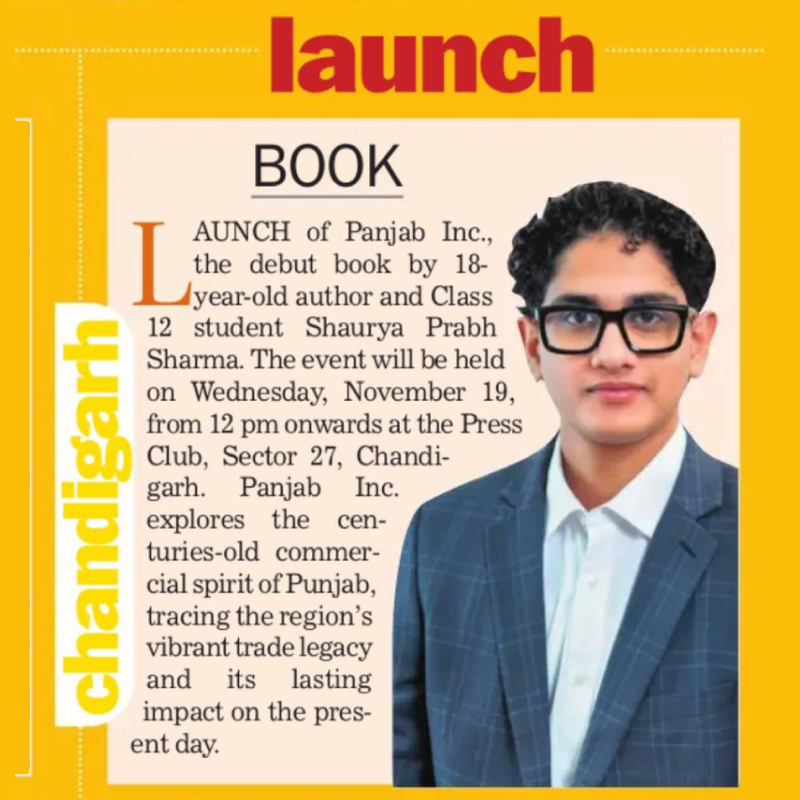
Panjab INC rewrites the story of Punjab — not as a land forged only in battles, but as a civilisation powered by commerce, innovation, and trust. From 9th-century caravan routes to global Punjabi enterprise today, this book unveils how entrepreneurs shaped empires, not just swords. It’s part history, part business strategy, and wholly addictive.Cityairnews
This book does not teach business theory—it reveals business memory. Through documented trade routes, court records, market systems, and lived enterprise, Panjab Inc. shows how Punjab built wealth before balance sheets, scaled trust before contracts, and globalised long before the modern world learned the word.
Punjab thrived on commerce long before borders existed—routes mattered more than rulers.
How caravans, bazaars, and credit systems held empires together across continents
How caravans, bazaars, guilds, and credit systems quietly held empires together.
The trade values that still power Punjab’s global entrepreneurial footprint today.
Punjab is often remembered for its wars, its politics, and its borders. Far less remembered is the truth that sustained it through every rise and fall—enterprise.
Panjab Inc. matters because it restores balance to that memory.
This book tells a story that is rarely told with seriousness or pride: that Punjab was not merely a land of farmers and fighters, but a civilisation of traders, financiers, logisticians, and institution-builders. Long before modern capitalism, Punjab had functioning credit systems, protected trade routes, scalable production hubs, and values that treated trust as currency.
At a time when conversations about Punjab are dominated by decline, dependency, and disillusionment, this book offers a counter-narrative—rooted not in optimism, but in evidence. It shows that Punjab’s economic strength was never accidental. It was designed, practiced, passed down, and defended across generations.
This is not a book about what Punjab was. It is a book about what Punjab still remembers—and can become again.
For founders, operators, and investors who want to understand enterprise beyond Silicon Valley—and draw inspiration from centuries of indigenous business wisdom.
For readers curious about how trade systems, governance, and markets functioned before modern capitalism—and what today’s institutions can learn from them.
For Punjabis seeking connection—to their roots, their dignity, and a legacy far richer than politics or land alone.
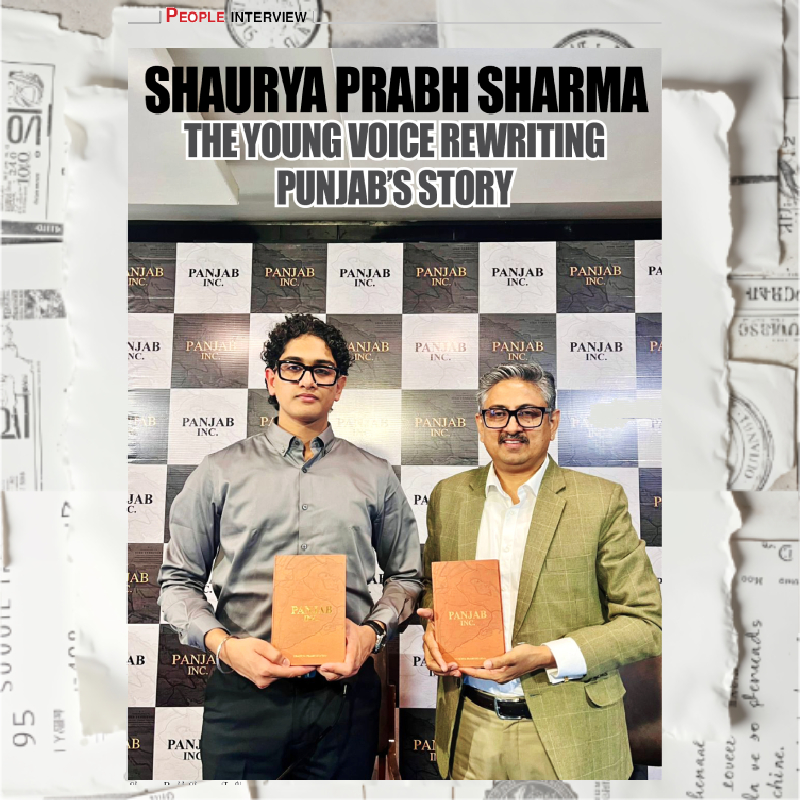
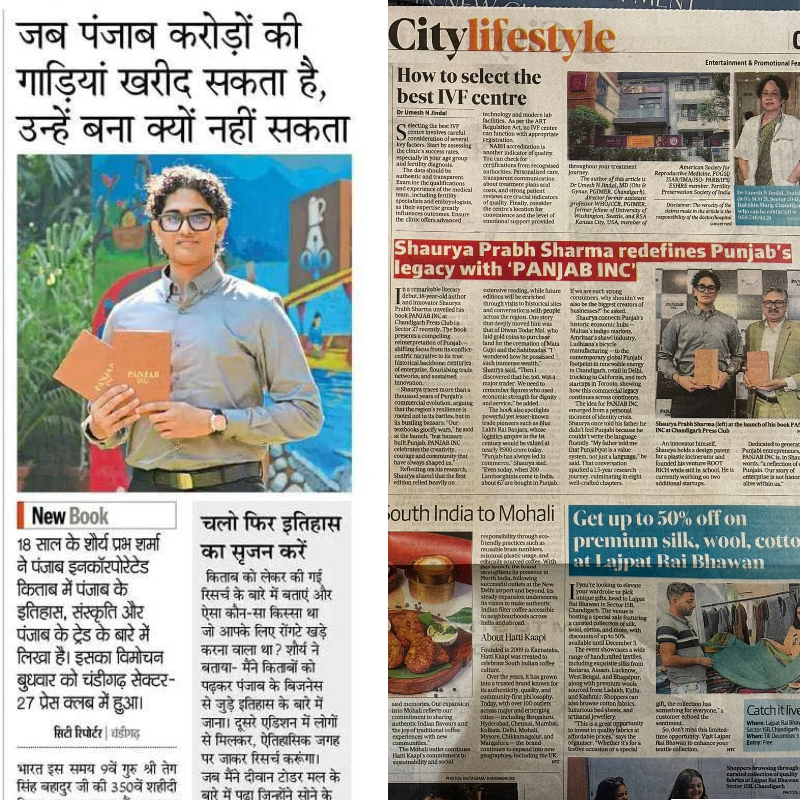
Catch the author’s recent events, talks, and press features. Punjab is talking — this book is a movement.
Panjab Inc. is structured as a journey—through routes, courts, markets, numbers, and generations. Each chapter peels back a layer of Punjab’s forgotten commercial legacy, revealing how enterprise quietly shaped empires long before modern capitalism had a name.
Before borders were drawn, Punjab traded. This chapter explores how invasions, routes, and resilience turned conflict into commercial opportunity.
How Maharaja Ranjit Singh rebuilt trust, markets, and state-backed commerce—proving that governance can be an economic force.
From Multani merchants to caravan financiers—meet the communities that carried Punjab’s economy on their backs.
Lahore, Multan, Amritsar, Ludhiana—cities that functioned as global trade engines long before globalization had a name.
Caravans worth crores. Markets outfitting armies. Wealth measured without spreadsheets—only trust and ledgers.
How Punjab responded to global demand—exporting goods, skills, and systems across continents.
The ethics behind the enterprise—trust, reinvestment, community, and dignity as economic capital.
From family shops to global corporations—how Punjab’s entrepreneurial baton was passed, not inherited.
This book is concerned with creating typography and is essential for professionals who regularly work for clients.
Trade, Not Conflict, Built Panjab" — fresh narrative reshapes our understanding of history.Cityairnews

Trade, Not Conflict, Built Panjab" — fresh narrative reshapes our understanding of history.Cityairnews
Trade, Not Conflict, Built Panjab" — fresh narrative reshapes our understanding of history.Cityairnews
Trade, Not Conflict, Built Panjab" — fresh narrative reshapes our understanding of history.Cityairnews
This book is concerned with creating typography and is essential for professionals who regularly work for clients.

This book is available on Flipkart in physical (hardcover) format. Customers can purchase it from anywhere in India and the book will be delivered directly to their address.

The eBook version is available on Amazon. Along with the eBook, you will also receive PDF access and an audiobook version for convenient reading and listening.

At just 18, Shaurya traced a millennium of trade and enterprise. From childhood curiosity to national conversation, he brings a fresh, personal voice — part historian, part strategist, part storyteller. Cityairnews.
This book is concerned with creating typography and is essential for professionals who regularly work for clients.